
Water Damage Restoration Tips
What To Do After Your House Floods
Published 2026-09-20 · By Daniel Ramirez, Long Beach Flood Water Damage
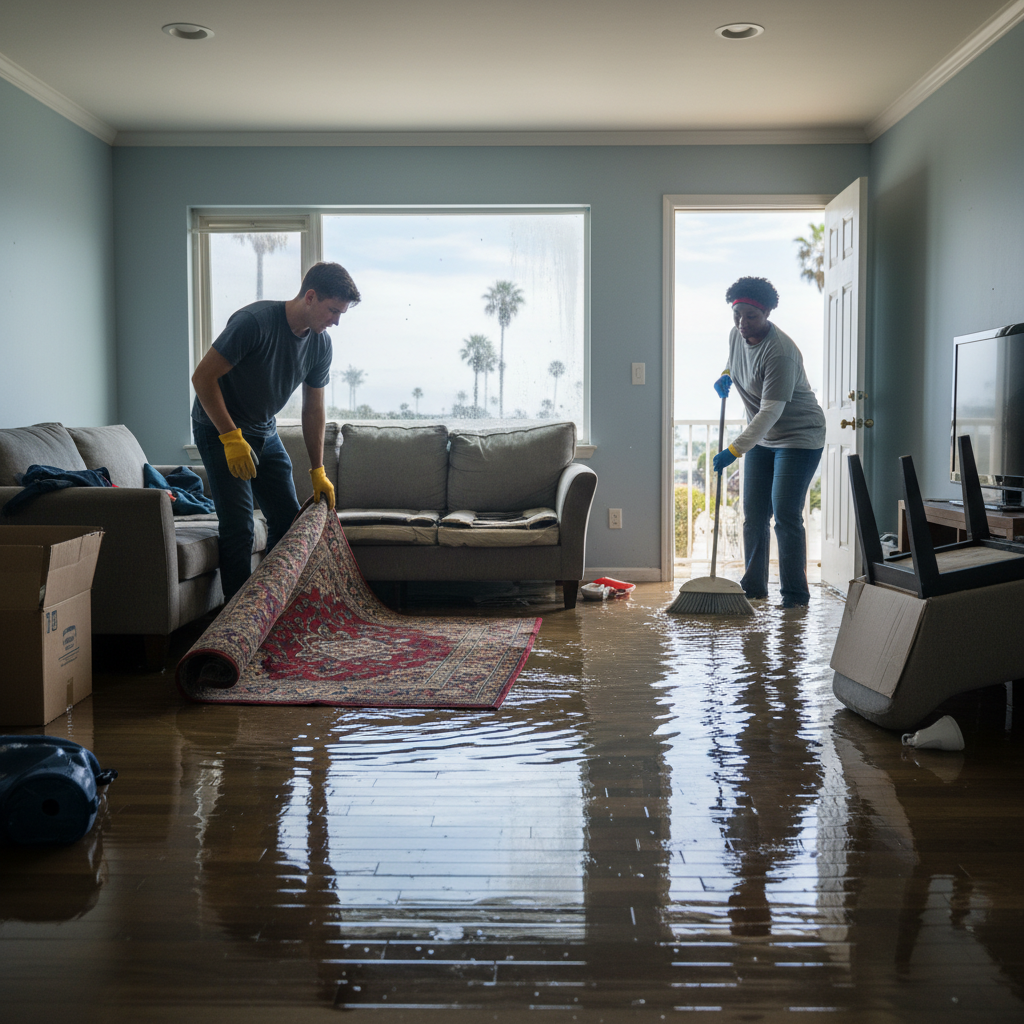
When flooding occurs in Long Beach, whether due to seasonal heavy rainfall or coastal storm surge, it can be overwhelming and stressful. It's crucial to act quickly to minimize damage to your property while navigating the potential hazards associated with water damage. As Daniel Ramirez, the owner of Long Beach Flood Water Damage, recommends, begin with these essential steps to protect your home and your health.
First and foremost, ensure the safety of all occupants. If water levels are significant, evacuate immediately, especially from flood-prone areas such as Belmont Shore and Naples. Once the water recedes, or you're safely away from rising tides, here are the steps you should follow.
Assess the Damage
Once you've ensured safety, assess the extent of the damage. Look for standing water, which can often be found in lower-lying areas of your home, such as basements or crawlspaces. In Belmont Shore or Downtown Long Beach, homes may be susceptible to seawater influx during heavy storms, so identifying the source of the water is essential. If you find standing water, it’s vital to contact a professional for Emergency Water Extraction. Not only do they have the right tools, but prompt extraction can save you thousands in repair costs, potentially ranging from $2,000 to $10,000 depending on the damage severity.
Document the damage with photos for insurance claims. Be sure to also note any specific issues such as wet drywall, floor damage, or flooded electrical systems, as these factors can affect your recovery process.
Start the Cleanup Process
After documenting damage, it’s time to begin cleanup. Before entering, ensure the electricity is turned off to prevent electrocution risks. Begin by removing any undamaged items from the affected areas if it is safe to do so. Use buckets, mops, or pumps to start extracting water. For more extensive damages, like those experienced in Bixby Knolls or Bluff Heights, professional help is often a necessity. Consider reaching out for Flood Cleanup services from local experts to address the extent of water damage and prevent underlying issues like mold growth.
### Cleaning Steps:
- Remove wet carpets or rugs.
- Dry out the property using fans and dehumidifiers; target areas behind walls that could harbor moisture.
- Clean surfaces with soap and water. For areas with significant contamination, bleach solutions can help sanitize surfaces but be careful as moisture issues may linger.
Prevent Future Flooding
Post-cleanup, it's wise to consider mitigation strategies to avoid future damage. Local factors in Lakewood Village or Wrigley show that rising sea levels and storm surges are increasing risks. Therefore, reinforcing your home’s flood defenses is critical. Regular maintenance of gutters and drainage systems helps to channel water away from your foundation.
Consider installing sump pumps or flood barriers if you're near the coastline. Homes close to the water, like those in Naples, must stay vigilant against moisture ingress and salt exposure.
Remember, if you’re facing mold issues, don’t delay. Mold can develop within 24-48 hours after water exposure. Reach out for professional Mold Remediation services if you notice spores or mildew growth.
At Long Beach Flood Water Damage, we understand the unique challenges posed by the local climate and the history of flooding in the area. If you need assistance with any aspect of water damage recovery, contact Daniel Ramirez at Residential Water Damage Repair today to ensure your home is restored safely and effectively.